Travelling the Ho Chi Minh Trail: The Ultimate Journey from Hanoi to Hoi An
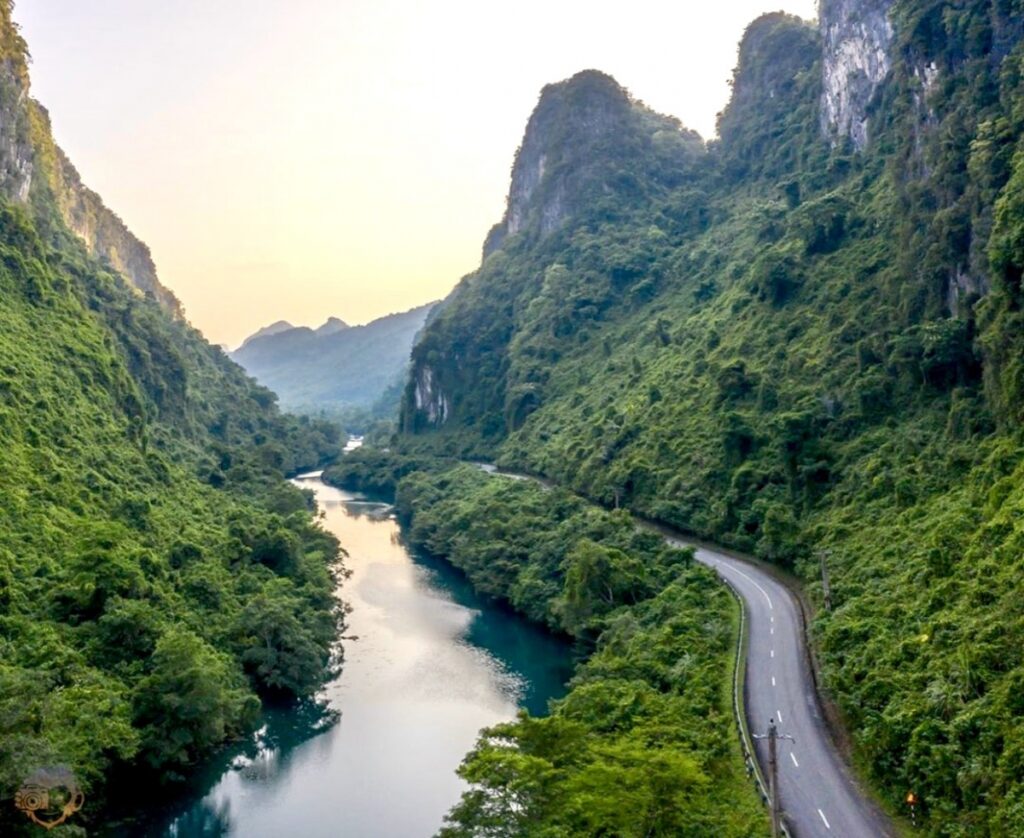
For many travellers, Vietnam is a country best experienced by road. While the coastline offers beautiful beaches and bustling cities, the legendary Ho Chi Minh Trail reveals a completely different side of the country. Running through mountains, jungles, national parks and historic battlefields, the route offers one of Southeast Asia’s greatest road trips.
Today, much of the historic trail is served by the modern Ho Chi Minh Road, a remarkable highway that allows travellers to explore regions of Vietnam that remain largely untouched by mass tourism. Along the way, visitors encounter spectacular scenery, ethnic minority communities, wartime history and some of the country’s most important natural wonders.
This journey begins in Hanoi and follows the spine of Vietnam south through Ninh Binh, Phong Nha-Ke Bang National Park, Khe Sanh, the former Demilitarized Zone, Hue and the magnificent Hai Van Pass before reaching the lantern-lit streets of Hoi An.
For official tourism information, visit the Vietnam National Authority of Tourism. For background on the historic route, see Wikipedia’s Ho Chi Minh Trail article.
Table of Contents
- What Was the Ho Chi Minh Trail?
- KM 0: The Beginning of the Journey
- Leaving Hanoi and Heading South
- Through Ninh Binh and the Red River Delta
- Phong Nha-Ke Bang National Park
- The Great Caves of Central Vietnam
- Continuing South Toward Khe Sanh
What Was the Ho Chi Minh Trail?
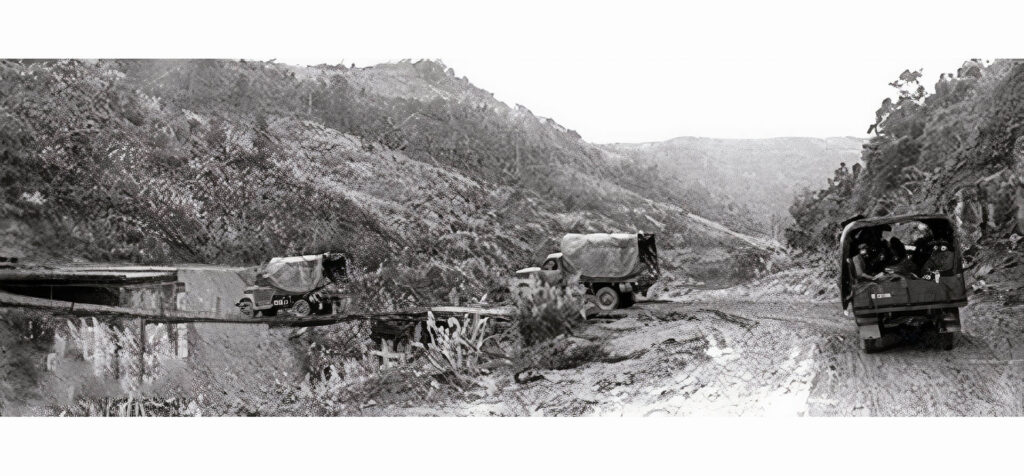
The Ho Chi Minh Trail was not a single road. It was a vast network of tracks, roads, river crossings and supply routes that connected North Vietnam with the battlefields of the South during the Vietnam War.
Beginning in the late 1950s, the network expanded through some of the most difficult terrain in Southeast Asia. Running through remote mountain regions of Vietnam, Laos and Cambodia, the trail became one of the most important military logistics systems in modern history.
Despite intense bombing campaigns, the network continued to function throughout the conflict. Supplies, troops, equipment and communications flowed south along routes hidden beneath dense jungle canopies.
Today, travellers can experience much of this landscape through the modern Ho Chi Minh Road, which follows parts of the historic corridor while providing access to some of Vietnam’s most scenic regions.
The modern route has become especially popular among adventure travellers, motorcyclists and history enthusiasts who want to experience a side of Vietnam beyond the busy coastal highways.
KM 0: The Beginning of the Journey
Every great road trip needs a starting point, and for the Ho Chi Minh Road, that point is commonly referred to as KM 0.
Located in Hanoi, KM 0 symbolises the beginning of the route that stretches south through the heart of Vietnam. While many travellers focus on destinations further south, taking time to understand the significance of the starting point helps put the journey into context.
Hanoi itself is one of Asia’s most fascinating capitals. Before heading south, travellers should spend at least a day exploring its historic districts, museums and monuments.
Recommended Historical Stops in Hanoi
- Vietnam Military History Museum
- Ho Chi Minh Mausoleum
- Hoa Lo Prison Relic
- Long Bien Bridge
- Old Quarter
These sites provide important historical context before beginning the journey into central Vietnam.
From Hanoi, the road gradually leaves behind the urban sprawl of the capital and enters the agricultural landscapes of the Red River Delta. Rice paddies stretch across the countryside, villages cluster around church steeples and ancient communal houses, and the pace of life begins to slow.
Leaving Hanoi and Heading South
Many travellers rush south using the coastal Highway 1, but the Ho Chi Minh Road offers a far more rewarding experience.
The route avoids much of the heavy truck traffic found on the coast and instead passes through quiet rural areas, limestone mountains and traditional farming communities.
One of the great advantages of this route is the variety of landscapes. Within a single day, travellers can move from the fertile plains of northern Vietnam into dramatic karst landscapes and forested mountain regions.
The road surface is generally excellent, making it ideal for both motorbike tours and self-drive adventures.
Small towns along the route offer opportunities to experience authentic Vietnamese hospitality while avoiding the larger tourist crowds found in more famous destinations.
Through Ninh Binh and the Red River Delta
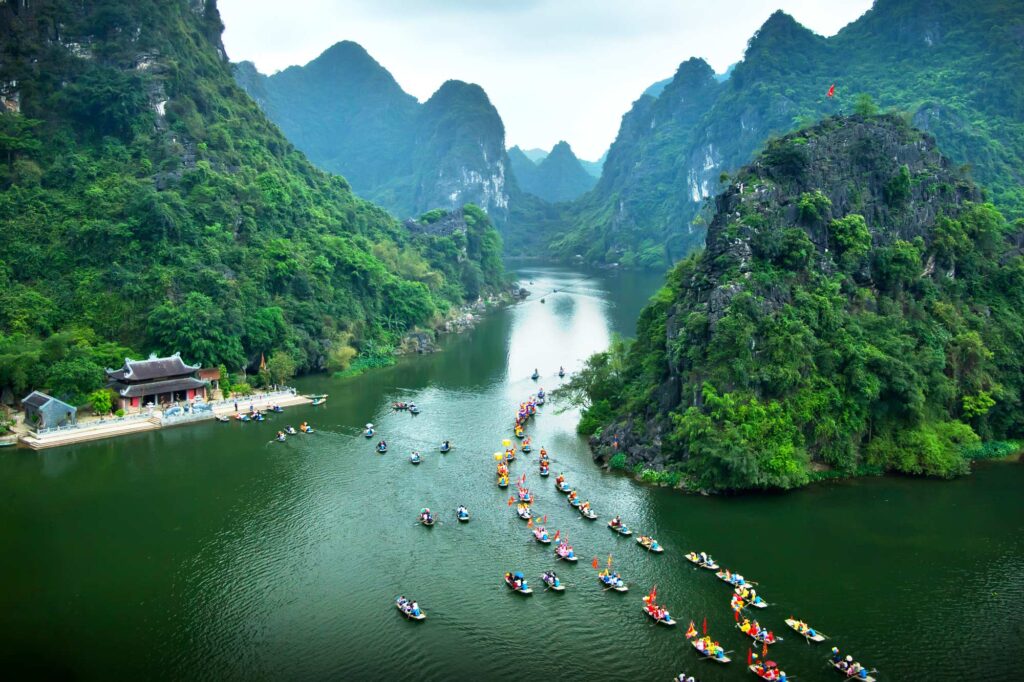
Before reaching the mountains of central Vietnam, many travellers choose to spend time in Ninh Binh, often called “Ha Long Bay on Land.”
The region is famous for towering limestone karsts rising above rivers, rice fields and ancient temples.
Highlights include:
- Trang An Landscape Complex
- Tam Coc Boat Trip
- Hoa Lu Ancient Capital
- Mua Cave Viewpoint
- Cuc Phuong National Park
Although Ninh Binh is not directly part of the Ho Chi Minh Trail story, it provides an excellent transition between the lowlands of northern Vietnam and the mountainous regions further south.
The landscape also offers an early glimpse of the limestone geology that will become even more dramatic in Phong Nha-Ke Bang National Park.
Phong Nha-Ke Bang National Park
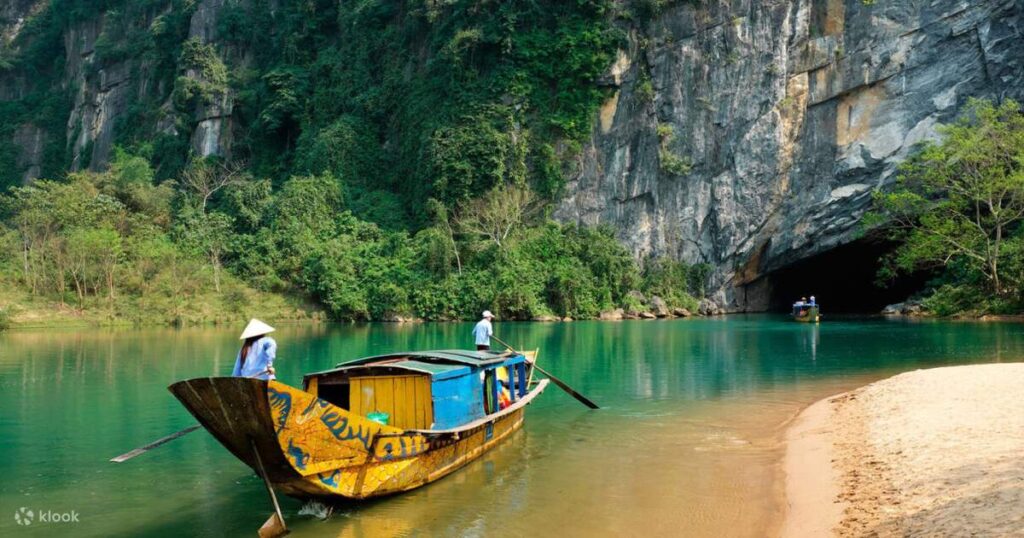
One of the greatest highlights of the entire journey is Phong Nha-Ke Bang National Park.
Located in Quang Binh Province, this UNESCO World Heritage Site protects one of the oldest karst landscapes in Asia and contains some of the largest caves on Earth.
For many travellers, Phong Nha becomes the highlight of the entire trip between Hanoi and Hoi An.
The region combines extraordinary natural beauty with important wartime history. During the Vietnam War, the area formed a crucial part of the logistical network supporting movement along the Ho Chi Minh Trail.
Today, the roads are peaceful and scenic, winding through jungle-covered mountains, river valleys and rural villages.
Official information can be found through Phong Nha-Ke Bang National Park.
Why Phong Nha Is Special
- UNESCO World Heritage status
- Ancient limestone karst formations
- Hundreds of cave systems
- Dense tropical rainforest
- Excellent motorcycling roads
- Important wartime history
The area has developed into one of Vietnam’s premier adventure destinations while still retaining a relaxed rural atmosphere.
The Great Caves of Central Vietnam
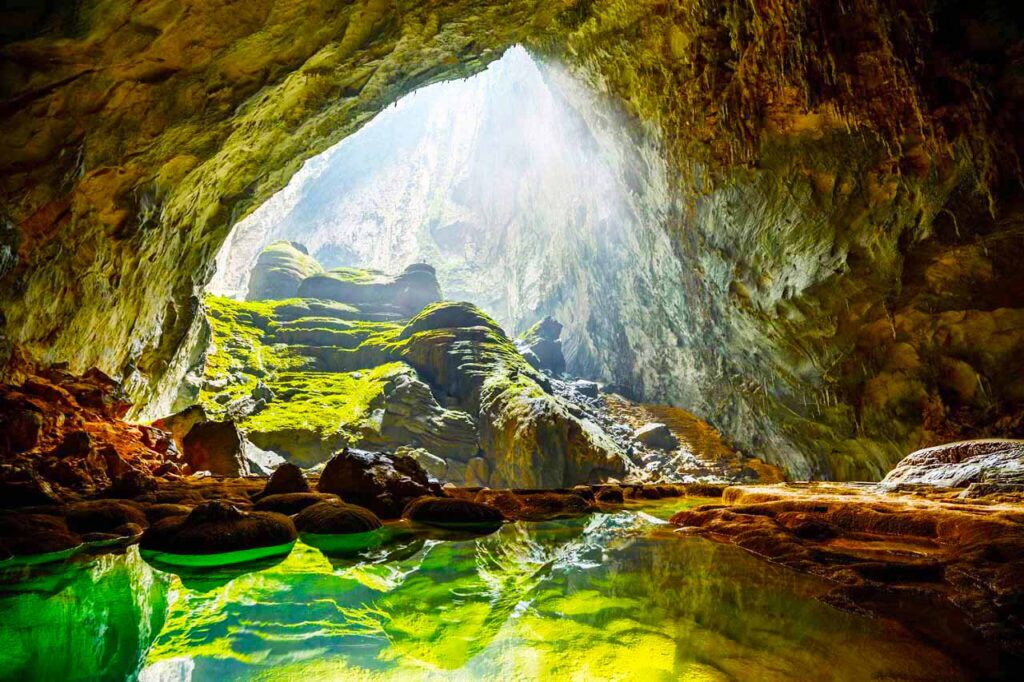
Phong Nha is famous for its caves, many of which rank among the most spectacular on the planet.
Phong Nha Cave
Reached by boat along the Son River, Phong Nha Cave was one of the first caves in the region to attract international attention. Visitors can explore underground rivers, impressive formations and vast chambers.
Paradise Cave
Known locally as Thien Duong Cave, Paradise Cave stretches for more than 30 kilometres and contains some of the most spectacular stalactite formations in Southeast Asia.
The elevated boardwalk allows visitors to experience the enormous scale of the cave while protecting the fragile environment.
Son Doong Cave
Although access is limited and requires specialist expeditions, Son Doong Cave is recognised as the largest cave in the world. It has become one of Vietnam’s most famous natural attractions.
Even travellers who do not visit Son Doong directly can appreciate the remarkable geological landscape that made its formation possible.
The Road Ahead
After exploring the caves and jungles of Phong Nha, the journey continues south toward some of the most important historical sites in Vietnam.
The next section of the route follows parts of the historic Ho Chi Minh Trail toward Khe Sanh, Highway 9, the former Demilitarized Zone and the Vinh Moc Tunnels.
Here, spectacular mountain scenery combines with powerful wartime history, creating one of the most memorable sections of the entire journey from Hanoi to Hoi An.
Continue with Part 2: Khe Sanh Combat Base, Highway 9, the DMZ and the Vinh Moc Tunnels.
Khe Sanh: One of the Most Famous Battlefields in Vietnam
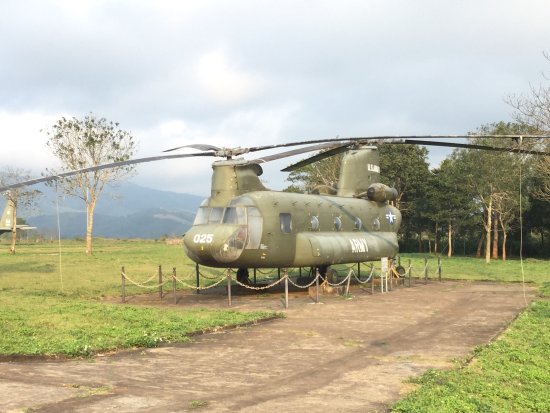
Leaving the limestone mountains of Phong Nha behind, the Ho Chi Minh Road continues south through increasingly rugged terrain toward Quang Tri Province. This region contains some of the most important historical sites associated with the Vietnam War and the former Demilitarized Zone (DMZ).
Among them, none is more famous than Khe Sanh Combat Base.
Located near the Laotian border, Khe Sanh became the site of one of the most intense battles of the Vietnam War. During 1968, United States Marine Corps forces stationed at Khe Sanh were surrounded by North Vietnamese forces, resulting in a prolonged siege that attracted international attention.
The battle became one of the defining moments of the conflict and is often compared to the French experience at Dien Bien Phu, although the outcome was very different.
Today, Khe Sanh is a peaceful mountain town surrounded by coffee plantations, rolling hills and ethnic minority villages. Yet traces of the conflict remain visible throughout the region.
Khe Sanh Combat Base Museum
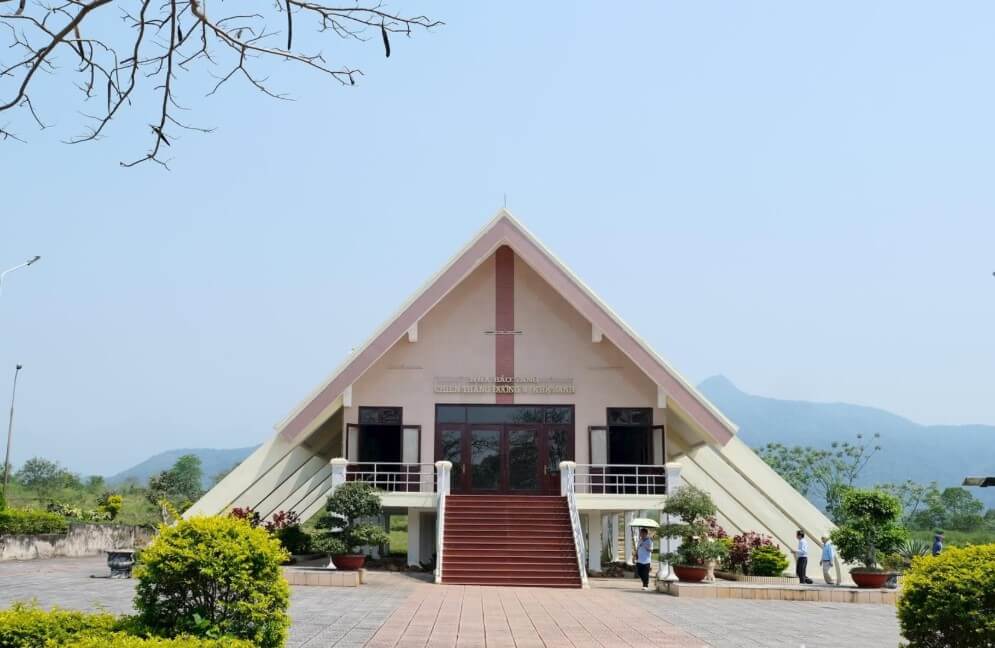
The former combat base has been preserved as a historical site and museum. Visitors can explore:
- Original runway sections
- Military bunkers
- Defensive positions
- Captured military equipment
- Aircraft displays
- Historical exhibits and photographs
For travellers interested in military history, Khe Sanh provides valuable insight into the challenges of warfare in Vietnam’s mountainous interior.
Additional historical information is available through Wikipedia’s Battle of Khe Sanh page.
The Strategic Importance of Khe Sanh
Khe Sanh’s importance was largely geographic. Located close to Laos and near major infiltration routes associated with the Ho Chi Minh Trail, the area became strategically significant for both sides.
The surrounding hills offered commanding views over the region, while nearby valleys provided access to routes leading toward the South.
Today, travellers driving through the area can appreciate why military planners considered the region so important. The mountains appear endless, roads wind through dense vegetation and visibility is often limited by terrain.
Standing on the former airstrip, it becomes easier to understand the logistical challenges faced by soldiers operating in such remote conditions.
Highway 9: The Road Across the DMZ Region
From Khe Sanh, travellers continue east along Highway 9, one of the most historically significant roads in central Vietnam.
Highway 9 links the mountains near Laos with the coast at Dong Ha. During the war, the route became a vital military corridor used by multiple forces operating in the region.
The road crosses some of the most heavily contested landscapes in Vietnam. Today, however, it is a surprisingly peaceful route lined with villages, coffee farms, rubber plantations and memorial sites.
Driving Highway 9 provides a remarkable opportunity to experience how quickly landscapes can recover from conflict. Areas once associated with military operations are now home to thriving communities and agricultural development.
Highlights Along Highway 9
- Khe Sanh Combat Base
- Rockpile Mountain viewpoints
- Former military outposts
- Mountain scenery near the Laos border
- Ethnic minority communities
- Historical markers and memorials
The route is especially rewarding for travellers interested in combining military history with scenic road travel.
The Former Demilitarized Zone (DMZ)
One of the most important historical regions in Vietnam is the former Demilitarized Zone, commonly known as the DMZ.
Established after the Geneva Accords of 1954, the DMZ followed the Ben Hai River near the 17th Parallel and temporarily separated North and South Vietnam.
Although officially intended as a buffer zone, the area became one of the most heavily militarised regions in the world during the following decades.
Today, travellers can visit several important sites connected with the DMZ:
- Hien Luong Bridge
- Ben Hai River
- Vinh Moc Tunnels
- Khe Sanh Combat Base
- Various memorials and museums
For those interested in understanding Vietnam’s modern history, few places are more significant.
Hien Luong Bridge and the Ben Hai River
The Hien Luong Bridge crossing the Ben Hai River became one of the most powerful symbols of Vietnam’s division.
For years, the bridge stood between two different political systems, ideologies and military alliances.
Today, visitors can walk across the restored bridge and visit nearby exhibits explaining its historical significance.
The area offers an opportunity to reflect on the human consequences of political division and conflict.
Official tourism information for Quang Tri Province can be found through local tourism authorities and heritage sites.
Vinh Moc Tunnels: Life Underground During Wartime
Few places in Vietnam offer a more powerful historical experience than the Vinh Moc Tunnels.
Located near the coast north of Dong Ha, the tunnel complex was constructed by local villagers seeking protection from intense aerial bombardment.
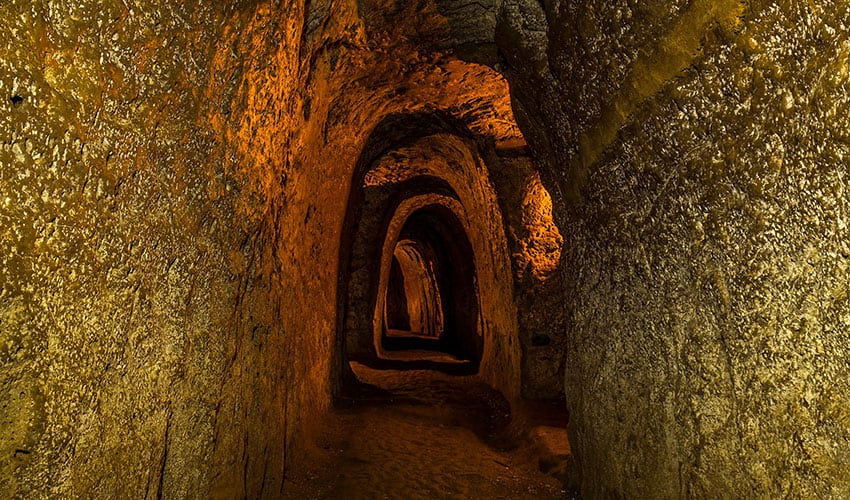
Unlike military tunnel systems designed primarily for combat operations, Vinh Moc functioned as an underground community.
Families lived beneath the surface for extended periods while continuing daily life under extraordinary circumstances.
What Makes Vinh Moc Special?
The tunnels provide an extraordinary example of human resilience and adaptation.
Within the underground network, visitors can see:
- Living quarters
- Meeting rooms
- Storage areas
- Medical spaces
- Ventilation systems
- Escape exits leading toward the sea
Walking through the tunnels offers a tangible sense of what life was like for civilians living in a war zone.
For many travellers, Vinh Moc becomes one of the most memorable stops of the entire Ho Chi Minh Trail journey.
Further background information is available through Wikipedia’s Vinh Moc Tunnels page.
The Coast of Quang Tri Province
After exploring the DMZ region, travellers begin transitioning from the mountains toward Vietnam’s central coast.
The change in scenery is dramatic.
Mountain ridges gradually give way to coastal plains, fishing villages and long stretches of beach. The landscape becomes more open, the climate warmer and the influence of maritime culture increasingly visible.
This section of the journey provides an opportunity to balance historical exploration with natural beauty.
Quiet beaches, seafood restaurants and scenic coastal roads offer a welcome contrast to the intense historical sites encountered earlier in the route.
The Journey Toward Hue
Continuing south from Quang Tri, the road approaches one of Vietnam’s most culturally significant cities: Hue.
Before arriving, travellers pass through landscapes that have witnessed centuries of Vietnamese history.
Hue served as the imperial capital of the Nguyen Dynasty and remains one of the country’s most important cultural destinations.
After days spent exploring battlefields, tunnels and mountain routes, Hue introduces a different side of Vietnam’s story — one defined by emperors, palaces, royal tombs, literature and architecture.
The contrast between wartime history and imperial heritage is one of the reasons this route is so rewarding.
Why This Section of the Ho Chi Minh Trail Is So Memorable
The route between Phong Nha and Hue combines several of Vietnam’s most important historical experiences:
- The mountains and jungle landscapes of the historic Ho Chi Minh Trail.
- Khe Sanh Combat Base and its military history.
- The strategic corridor of Highway 9.
- The former Demilitarized Zone.
- Hien Luong Bridge and the Ben Hai River.
- The remarkable Vinh Moc Tunnels.
- The transition from mountain warfare landscapes to the central coast.
Few road trips anywhere in Southeast Asia combine such a rich mix of history, scenery and cultural significance.
As the road approaches Hue, the journey enters a new chapter — one focused on imperial Vietnam, royal architecture and one of the most scenic coastal drives in Asia.
Continue with Part 3: Hue Imperial City, Lang Co Lagoon, Hai Van Pass, Da Nang and arrival in Hoi An.
“`html id=”yq9a8h”
Hue: Vietnam’s Imperial Capital

After following the historic Ho Chi Minh Trail through the mountains of central Vietnam and exploring the battlefields of Quang Tri Province, travellers arrive in one of the country’s most culturally significant cities: Hue.
Situated on the banks of the Perfume River, Hue served as the imperial capital of Vietnam from 1802 until 1945 under the Nguyen Dynasty. Today, it is one of the most important heritage destinations in Southeast Asia and provides a fascinating contrast to the wartime history encountered further north.
For many travellers, Hue represents the point where Vietnam’s ancient imperial history and modern history intersect. Ancient citadels, royal tombs and pagodas stand alongside reminders of the conflicts that shaped the twentieth century.
The city’s importance has been recognised by UNESCO, and the Complex of Hue Monuments remains one of Vietnam’s premier cultural attractions.
Official visitor information can be found through the Hue Monuments Conservation Centre.
The Imperial City
The highlight of Hue is the magnificent Imperial City, a vast walled complex inspired by the Forbidden City in Beijing.
Built during the early nineteenth century, the citadel served as the political and ceremonial heart of the Nguyen Empire. Within its walls, emperors governed the country, held court ceremonies and received foreign delegations.
Visitors today can explore:
- The Ngo Mon Gate
- The Thai Hoa Palace
- The Forbidden Purple City
- Royal temples and shrines
- Ancient walls and defensive structures
- Restored imperial buildings
Although parts of the complex were damaged during twentieth-century conflicts, extensive restoration efforts have helped preserve one of Vietnam’s greatest historical treasures.
Walking through the Imperial City provides an entirely different perspective on Vietnamese history from the military sites encountered along the Ho Chi Minh Trail.
Royal Tombs Along the Perfume River
Beyond the citadel, Hue is famous for its royal tombs.
Built for Nguyen emperors, these monumental complexes combine architecture, landscaping, symbolism and natural beauty.
Among the most popular are:
- Tomb of Minh Mang
- Tomb of Tu Duc
- Tomb of Khai Dinh
Each reflects the personality and preferences of the emperor it commemorates. Together, they provide insight into the final imperial dynasty of Vietnam.
Travellers often spend a full day exploring the tombs and the surrounding countryside.
Thien Mu Pagoda
One of Hue’s most iconic landmarks is Thien Mu Pagoda.
Overlooking the Perfume River, the pagoda’s seven-storey tower has become a symbol of the city.
The site combines religious significance, beautiful river views and historical importance.
Many visitors arrive by traditional dragon boat, creating one of the most memorable experiences in central Vietnam.
The Coastal Road South
Leaving Hue, the journey changes once again.
The road gradually leaves behind the imperial monuments and enters one of the most scenic coastal regions in Southeast Asia.
The route south follows lagoons, beaches and fishing villages while remaining close to the mountains.
For many travellers, this section becomes one of the visual highlights of the entire Hanoi-to-Hoi An journey.
Lang Co Lagoon and Bay

Approximately 70 kilometres south of Hue lies Lang Co, one of Vietnam’s most beautiful coastal landscapes.
Here, mountains meet the sea in dramatic fashion.
The area features:
- White-sand beaches
- Fishing villages
- Lagoon scenery
- Seafood restaurants
- Views toward Hai Van Pass
Lang Co Bay has repeatedly been recognised as one of the most attractive bays in the world and serves as an excellent stop before tackling the legendary mountain road ahead.
Travellers often pause here for lunch while enjoying views across the lagoon and surrounding mountains.
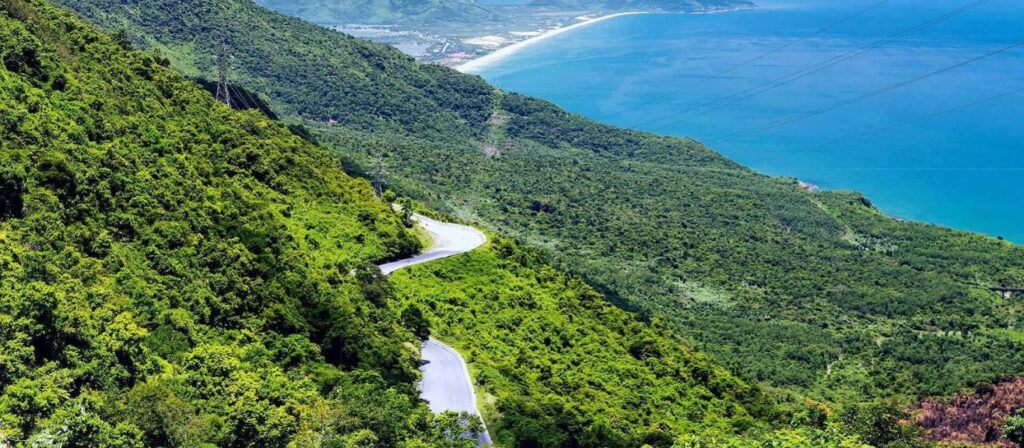
Hai Van Pass: Vietnam’s Greatest Coastal Road
Few roads in Asia enjoy the reputation of the Hai Van Pass.
Made famous internationally by television programmes, travel documentaries and motorcycling adventures, the pass connects Hue and Da Nang while crossing a dramatic mountain range overlooking the South China Sea.
Its name translates roughly as “Ocean Cloud Pass,” a fitting description for a road that frequently disappears into mist while offering breathtaking views of the coastline below.
Additional information is available through Wikipedia’s Hai Van Pass page.
Why the Hai Van Pass Is Special
- Panoramic ocean views
- Historic French and Vietnamese fortifications
- Excellent motorcycling roads
- Dramatic mountain scenery
- Historic strategic importance
- Easy access from both Hue and Da Nang
For generations, the pass formed an important strategic barrier between northern and southern Vietnam. Long before modern tunnels and highways were constructed, anyone travelling between the regions had to cross these mountains.
Today, although most commercial traffic uses the Hai Van Tunnel, travellers can still enjoy the original mountain road.
Driving the Pass
The climb from Lang Co toward the summit is spectacular.
Hairpin bends reveal increasingly dramatic views of beaches, lagoons and distant mountain ranges.
Several viewpoints allow travellers to stop safely and appreciate the scenery.
At the summit, visitors can explore the remains of old defensive structures and enjoy some of the best photography opportunities in central Vietnam.
On clear days, visibility extends for many kilometres along the coast.
The descent toward Da Nang offers equally impressive views, particularly during the early morning and late afternoon.
Da Nang: Modern Vietnam Meets the Sea
After descending Hai Van Pass, travellers reach Da Nang, one of Vietnam’s fastest-growing cities.
While many visitors continue directly to Hoi An, Da Nang is worth exploring in its own right.
Highlights include:
- My Khe Beach
- Dragon Bridge
- Marble Mountains
- Son Tra Peninsula
- Modern waterfront districts
Da Nang provides an interesting contrast to both Hue and the remote mountain regions encountered earlier in the journey.
It represents modern Vietnam: dynamic, ambitious and rapidly developing.
The Marble Mountains
Just south of Da Nang lie the famous Marble Mountains.
These limestone hills contain caves, pagodas, temples and viewpoints that have attracted visitors for centuries.
Historically, the mountains also played a role during periods of conflict, serving as observation points and strategic locations.
Today, they are one of the most accessible cultural and natural attractions in central Vietnam.
Arrival in Hoi An
The final stage of the journey follows the coast south from Da Nang to Hoi An.
After hundreds of kilometres of mountains, jungles, battlefields, national parks and imperial cities, the arrival in Hoi An feels like the perfect conclusion.
Recognised as a UNESCO World Heritage Site, Hoi An is famous for:
- Historic merchant houses
- Japanese Covered Bridge
- Lantern-lit streets
- Traditional architecture
- Riverside restaurants
- Nearby beaches
For centuries, Hoi An served as one of Southeast Asia’s most important trading ports. Merchants from China, Japan, Europe and other parts of Asia passed through its streets, leaving behind a unique architectural and cultural legacy.
Today, the town remains one of Vietnam’s most charming destinations.
Suggested 10-Day Ho Chi Minh Trail Itinerary
Day 1–2: Hanoi
Explore museums, historical sites and KM 0.
Day 3: Ninh Binh
Visit Trang An, Hoa Lu and Cuc Phuong National Park.
Day 4–5: Phong Nha
Explore caves, jungle roads and UNESCO landscapes.
Day 6: Khe Sanh
Visit the combat base and mountain battlefields.
Day 7: DMZ and Vinh Moc
Explore Highway 9, Hien Luong Bridge and the tunnels.
Day 8–9: Hue
Visit the Imperial City, royal tombs and pagodas.
Day 10: Hai Van Pass and Hoi An
Drive the famous pass before arriving in Hoi An.
Final Thoughts
Travelling the Ho Chi Minh Trail from Hanoi to Hoi An is far more than a road trip.
It is a journey through Vietnam’s geography, history and culture. From the forests of Phong Nha and the battlefields of Khe Sanh to the tunnels of Vinh Moc, the palaces of Hue and the coastal curves of Hai Van Pass, every section tells a different chapter of the Vietnamese story.
For history enthusiasts, adventure travellers and motorcyclists alike, few routes in Asia offer such a rewarding combination of scenery, heritage and unforgettable experiences.
Whether completed by motorbike, car or guided tour, the Ho Chi Minh Trail remains one of the greatest travel adventures in Vietnam.