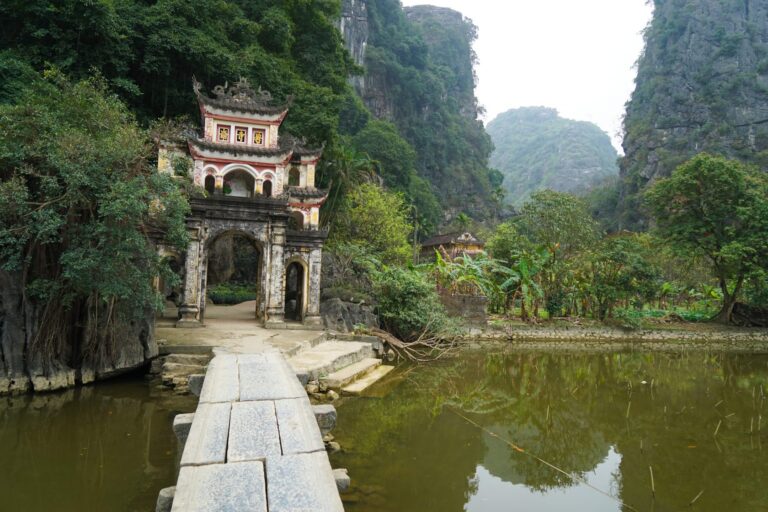
First Indochina War Travel Guide: Historic Battle Sites in Northwest Vietnam
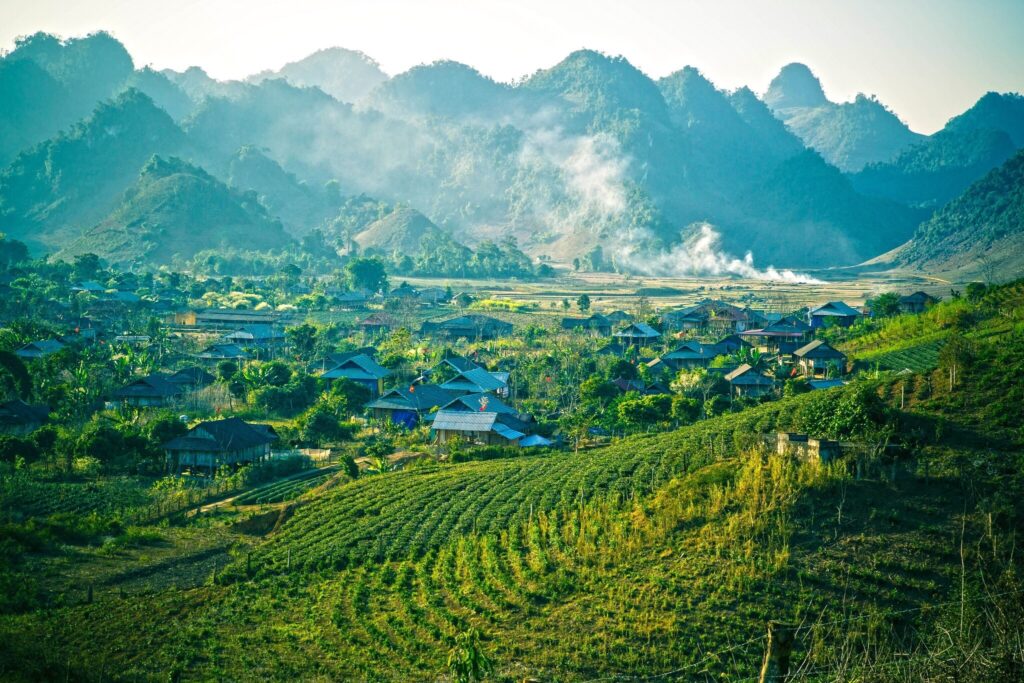
Northwest Vietnam is one of the most dramatic travel regions in the country. It is a land of limestone mountains, deep river valleys, ethnic minority villages, old colonial roads and some of the most important battle sites in modern Vietnamese history. For travellers interested in military history, the region offers far more than scenery. Roads such as Highway 6, mountain passes such as Pha Din, and battlefield cities such as Dien Bien Phu tell the story of the First Indochina War between the Viet Minh and French Union forces.
The First Indochina War lasted from 1946 to 1954. It began after the end of the Second World War, when France attempted to re-establish colonial control in Indochina and the Viet Minh fought for Vietnamese independence. The war developed from guerrilla resistance into a major conflict involving fortified bases, artillery, supply routes, mountain campaigns and large-scale battles.
This guide is written for history buffs, overland travellers, motorbike riders and anyone who wants to connect Vietnam’s mountain landscapes with the events that shaped the end of French colonial rule in Indochina.
For official travel information, visit the Vietnam National Authority of Tourism. For battlefield interpretation in Dien Bien Phu, visit the Dien Bien Phu Victory Museum.
Table of Contents
- The First Indochina War: A Short Overview
- Why Northwest Vietnam Mattered
- Start in Hanoi: Museums and Context
- Hoa Binh and the Highway 6 Battles
- Travelling Historic Highway 6
- Son La Prison and the Mountain Corridor
- Pha Din Pass: The Road to Dien Bien Phu
- Dien Bien Phu: The Decisive Battlefield
- Lang Son and Route Coloniale 4
- Suggested History Travel Itinerary
- Frequently Asked Questions
The First Indochina War: A Short Overview
The First Indochina War was fought between French Union forces and the Viet Minh from 1946 to 1954. It was a struggle over colonial power, national independence, military control and political legitimacy. After Japan’s defeat in 1945, the Democratic Republic of Vietnam declared independence in Hanoi. France attempted to restore colonial rule, negotiations failed, and open war broke out in late 1946.
At first, the Viet Minh relied heavily on guerrilla tactics. They avoided large battles when French firepower was too strong and instead focused on ambushes, road attacks, isolated outposts and political mobilisation. Over time, under the leadership of General Vo Nguyen Giap, Viet Minh forces became capable of larger and more coordinated operations.
French strategy depended on holding towns, airfields, roads, river routes and fortified bases. In the mountains of northern Vietnam, this created a serious problem: every road became a lifeline. If a convoy route was cut, a post could be isolated. If a pass was blocked, a whole campaign could be delayed. This is why places such as Highway 6, Hoa Binh, Pha Din Pass and Dien Bien Phu became so important.
Why Northwest Vietnam Mattered
Northwest Vietnam links Hanoi and the Red River Delta with the mountain provinces, Laos and the upper river valleys. During the First Indochina War, this region mattered because it controlled movement, supply and influence across a huge frontier zone.
The terrain is difficult. Roads climb from lowland plains into limestone hills, jungle ridges, narrow valleys and high mountain passes. This landscape favoured ambushes and mobile warfare. French forces had aircraft, artillery and modern weapons, but they were often vulnerable when stretched along roads or isolated in remote positions.
For the Viet Minh, the Northwest offered concealment, local support networks and strategic depth. It also provided opportunities to weaken French positions outside the Red River Delta and force the French into difficult battles on unfavourable ground.
For travellers today, this same geography makes the region fascinating. The roads that once carried military convoys now lead through mountain scenery, ethnic minority villages, rice terraces, tea plantations and historic battle areas.
Start in Hanoi: Museums and Context
Before travelling into the Northwest, history-focused visitors should begin in Hanoi. The capital provides essential context for the First Indochina War, French colonial rule and the Vietnamese independence movement.
Vietnam Military History Museum
The Vietnam Military History Museum is one of the best places to begin. Its collections cover many periods of Vietnamese military history, including the resistance war against French colonial forces. Visitors can learn about weapons, battlefield strategy, propaganda, logistics and the wider independence struggle.
Hoa Lo Prison Relic
The Hoa Lo Prison Relic is another important stop. Although many foreign visitors know Hoa Lo because of the later American War, the prison was originally built by the French colonial authorities to hold Vietnamese political prisoners. It helps visitors understand the roots of anti-colonial resistance before the First Indochina War became a military conflict.
Hoa Binh and the Highway 6 Battles
Hoa Binh is one of the most important First Indochina War destinations near Hanoi. Located west of the capital, it became the focus of a major campaign in 1951 and 1952, when French forces attempted to control access between the Red River Delta and the Northwest.
The Hoa Binh Campaign involved fighting around Hoa Binh town, the Da River and Colonial Route 6, broadly followed today by National Highway 6. French commanders hoped that occupying Hoa Binh would disrupt Viet Minh movement and force General Giap’s forces into a battle where French firepower could dominate.
Instead, the Viet Minh attacked French supply routes, river traffic and isolated positions. The campaign became costly and demonstrated how difficult it was for French forces to maintain mountain positions without secure roads.
For history travellers, Hoa Binh is important because it shows the transition from guerrilla warfare to larger operational campaigns. It also helps visitors understand why geography was so central to the war.
What to Visit in Hoa Binh
- Hoa Binh City: A useful first stop for understanding the gateway to the Northwest.
- Da River viewpoints: The river played an important role in regional movement and military geography.
- Highway 6 corridor: Travelling west from Hanoi gives a sense of the road that became such an important supply line.
- Local memorials and museums: Check local opening times, as smaller provincial sites may vary.
Travelling Historic Highway 6
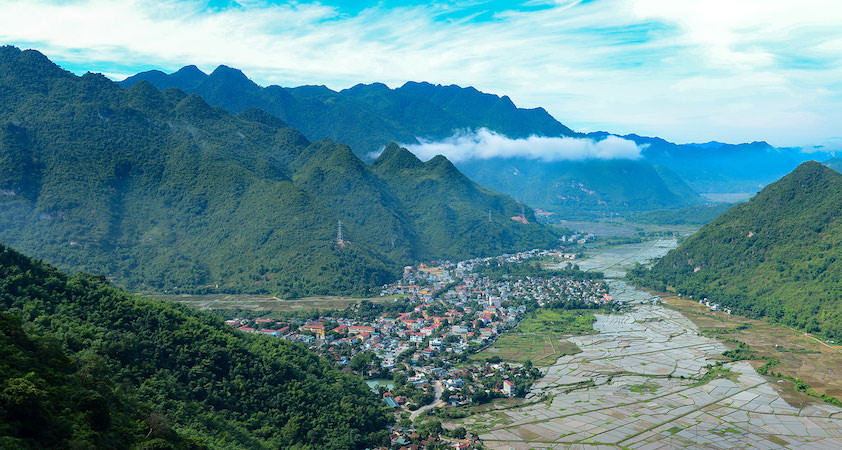
Modern Highway 6 is one of northern Vietnam’s great overland routes. For most travellers, it is the road to Mai Chau, Moc Chau, Son La and Dien Bien Phu. For history buffs, it is also a road layered with military significance.
During the First Indochina War, the older colonial route was a contested artery. French columns depended on roads to move soldiers, ammunition, food and equipment. Viet Minh forces understood this weakness and repeatedly targeted convoys, bridges, road sections and outposts.
Travelling Highway 6 today helps visitors understand why mountain warfare in Vietnam was so difficult. Distances may look short on a map, but the terrain is complex. Roads twist through passes, ridges and valleys. Weather can change quickly. In the 1950s, before modern road improvements, these challenges were far greater.
Recommended Stops Along Highway 6
- Xuan Mai: Western gateway from Hanoi toward Hoa Binh.
- Hoa Binh: Key campaign area and entry point to the Northwest.
- Mai Chau: A peaceful valley and useful cultural stop.
- Moc Chau: Highland plateau with tea plantations and mountain scenery.
- Son La: Major upland town with important colonial-era prison history.
- Tuan Giao and Pha Din Pass: Strategic approaches toward Dien Bien Phu.
Son La Prison and the Mountain Corridor
Son La is an essential stop between Hoa Binh and Dien Bien Phu. Long before the final battle of 1954, Son La was part of the French colonial security system in the Northwest. The town is best known for Son La Prison, which was built by the French and used to imprison Vietnamese revolutionaries.
The prison connects the battlefield history of the First Indochina War with the earlier political struggle against colonial rule. Many Vietnamese revolutionary figures were imprisoned in harsh conditions before the wider armed conflict developed.
Geographically, Son La sits on the mountain corridor leading deeper into the Northwest. From here, the road continues toward Tuan Giao, Pha Din Pass and eventually the Muong Thanh Valley at Dien Bien Phu.
Pha Din Pass: The Road to Dien Bien Phu
Pha Din Pass is one of the most famous mountain passes in Northwest Vietnam. Located between Son La and Dien Bien provinces, it is a dramatic section of road with steep slopes, sharp bends and wide mountain views.
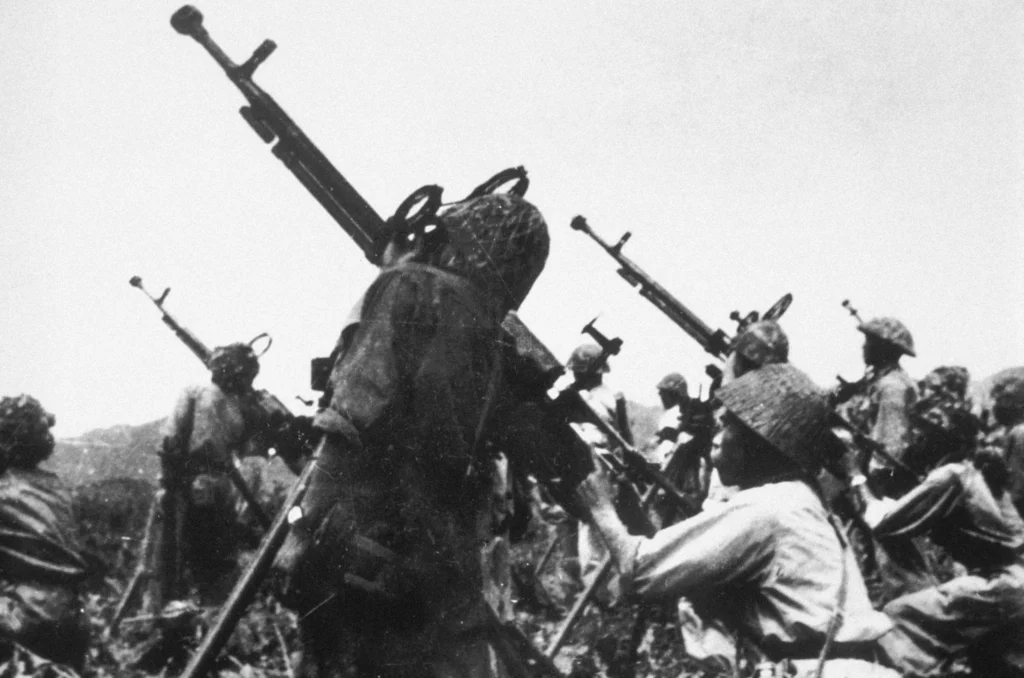
During the Dien Bien Phu Campaign, the Viet Minh achieved one of the great logistical feats of modern military history. Artillery, ammunition, food and equipment had to be moved through extremely difficult mountain terrain toward the battlefield. Roads were bombed, trails were narrow, and much of the supply effort depended on human labour, bicycles, porters and local support networks.
Pha Din Pass helps visitors understand the physical scale of this effort. Today, the road is much improved, but the landscape still gives a powerful impression of the terrain that shaped the campaign.
What to See at Pha Din Pass
- Mountain viewpoints: Stop safely to appreciate the terrain between Son La and Dien Bien.
- Historic road sections: Older road alignments give a better sense of the original mountain route.
- Local memorials: Look for monuments connected to the Dien Bien Phu supply route.
- Ethnic minority villages: The surrounding region is home to Thai, Hmong and other communities.
Dien Bien Phu: The Decisive Battlefield
Dien Bien Phu is the most important First Indochina War site in Vietnam. The battle took place in 1954 and became the decisive confrontation between Viet Minh forces and the French Union army.
The French built a fortified base in the Muong Thanh Valley, believing that their air supply, artillery and defensive positions could withstand Viet Minh attacks. Instead, Viet Minh forces surrounded the valley, moved artillery into the hills and gradually reduced the French strongpoints through siege warfare.
After weeks of intense fighting, the French position collapsed on 7 May 1954. The victory at Dien Bien Phu became a turning point in world history and led to the end of French colonial rule in Indochina.
Key Sites to Visit in Dien Bien Phu
- Dien Bien Phu Victory Museum: The best place to begin your battlefield visit. Visit the official museum website here: Dien Bien Phu Victory Museum.
- A1 Hill: One of the most famous and heavily contested positions of the battle.
- De Castries Bunker: The command bunker of French commander General Christian de Castries.
- Muong Thanh Bridge: A key site in the battlefield area.
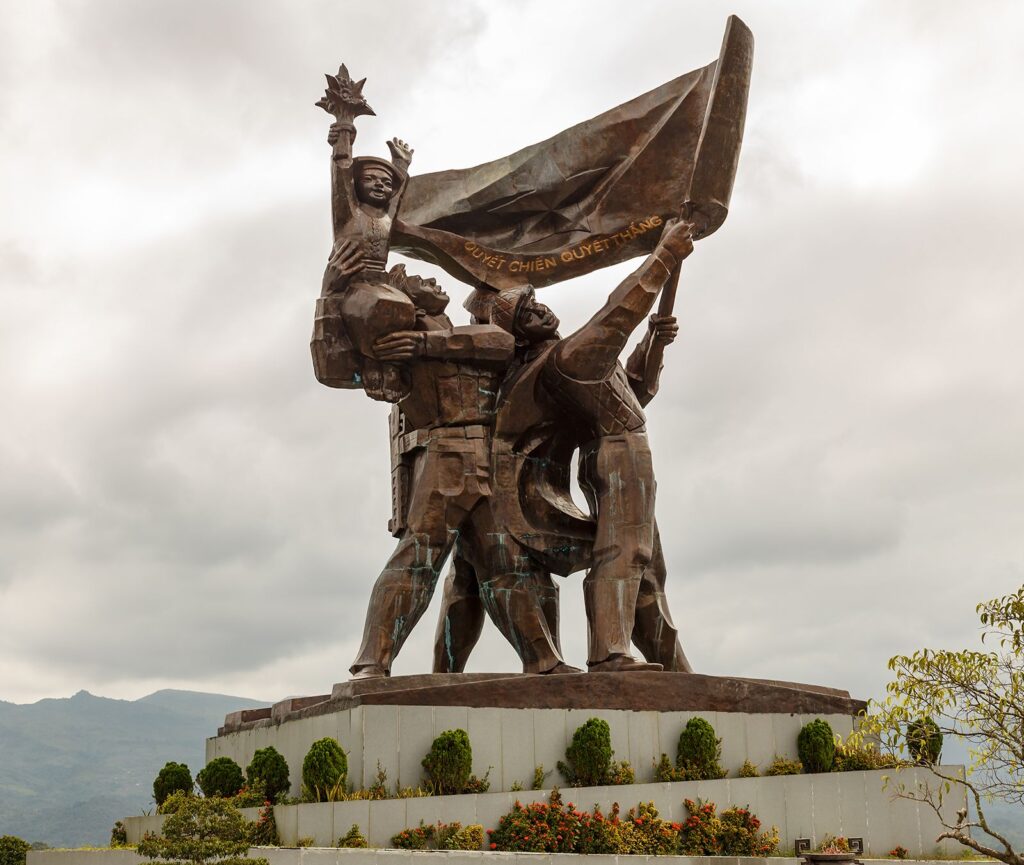
- Victory Monument: A major memorial overlooking the city.
- War Cemetery: A solemn place to understand the human cost of the battle.
For official provincial tourism information, visit Dien Bien Tourism.
Lang Son and Route Coloniale 4
Although Lang Son is in Northeast Vietnam rather than the Northwest, it is important for understanding the wider First Indochina War. The border region around Lang Son and Route Coloniale 4 saw major fighting, especially during the Border Campaign of 1950.
The fighting in the northeast showed that the Viet Minh were becoming capable of larger operations against French positions. The loss of French posts along the border weakened French control and opened important supply routes from China to the Viet Minh.
For travellers with extra time, Lang Son makes an excellent side trip before or after a Northwest history route. It adds important context to the military transformation that eventually led to Dien Bien Phu.
What to Visit in Lang Son
- Lang Son Museum: Useful for local history and regional culture.
- Dong Khe and That Khe area: Important for understanding Route Coloniale 4 and the Border Campaign.
- Border landscapes: The terrain helps explain the military importance of the region.
Suggested 7-Day First Indochina War History Itinerary
Day 1: Hanoi Museums
Visit the Vietnam Military History Museum and Hoa Lo Prison Relic. Overnight in Hanoi.
Day 2: Hanoi to Hoa Binh
Travel west along Highway 6. Explore Hoa Binh and the Da River area. Overnight in Hoa Binh or Mai Chau.
Day 3: Hoa Binh to Mai Chau and Moc Chau
Continue along Highway 6 through mountain valleys and cultural villages. Overnight in Moc Chau.
Day 4: Moc Chau to Son La
Visit Son La Prison Historical Site and explore the mountain corridor. Overnight in Son La.
Day 5: Son La to Dien Bien Phu via Pha Din Pass
Cross Pha Din Pass and continue to Dien Bien Phu. Overnight in Dien Bien Phu.
Day 6: Dien Bien Phu Battlefield Sites
Visit the Dien Bien Phu Victory Museum, A1 Hill, De Castries Bunker, Muong Thanh Bridge and major memorials.
Day 7: Dien Bien Phu Extension or Return
Return by road, fly back to Hanoi if available, or continue deeper into Northwest Vietnam.
Frequently Asked Questions
What was the First Indochina War?
It was the war fought from 1946 to 1954 between French Union forces and the Viet Minh, ending with the French defeat at Dien Bien Phu.
Where are the best First Indochina War sites in Northwest Vietnam?
The most important sites include Hoa Binh, Highway 6, Son La, Pha Din Pass and Dien Bien Phu.
Is Dien Bien Phu worth visiting?
Yes. Dien Bien Phu is one of the most important battlefield sites in modern Asian history and a must-visit destination for military history travellers.
Can I visit these sites by motorbike?
Yes, but riders should be experienced. The route includes mountain passes, long distances and changing weather conditions.
How many days do I need?
A good history-focused route from Hanoi to Dien Bien Phu takes 6 to 8 days, depending on stops and travel style.
Final Thoughts
Travelling through Northwest Vietnam is not only a journey through mountains, valleys and ethnic minority regions. It is also a journey through one of the most important chapters in modern Vietnamese history.
From the Highway 6 battles around Hoa Binh to the colonial prison at Son La, from Pha Din Pass to the battlefield of Dien Bien Phu, this route helps travellers understand how geography, logistics and determination shaped the outcome of the First Indochina War.
For history buffs, overland adventurers and travellers who want to go deeper than standard sightseeing, Northwest Vietnam offers one of the most meaningful historical journeys in Southeast Asia.